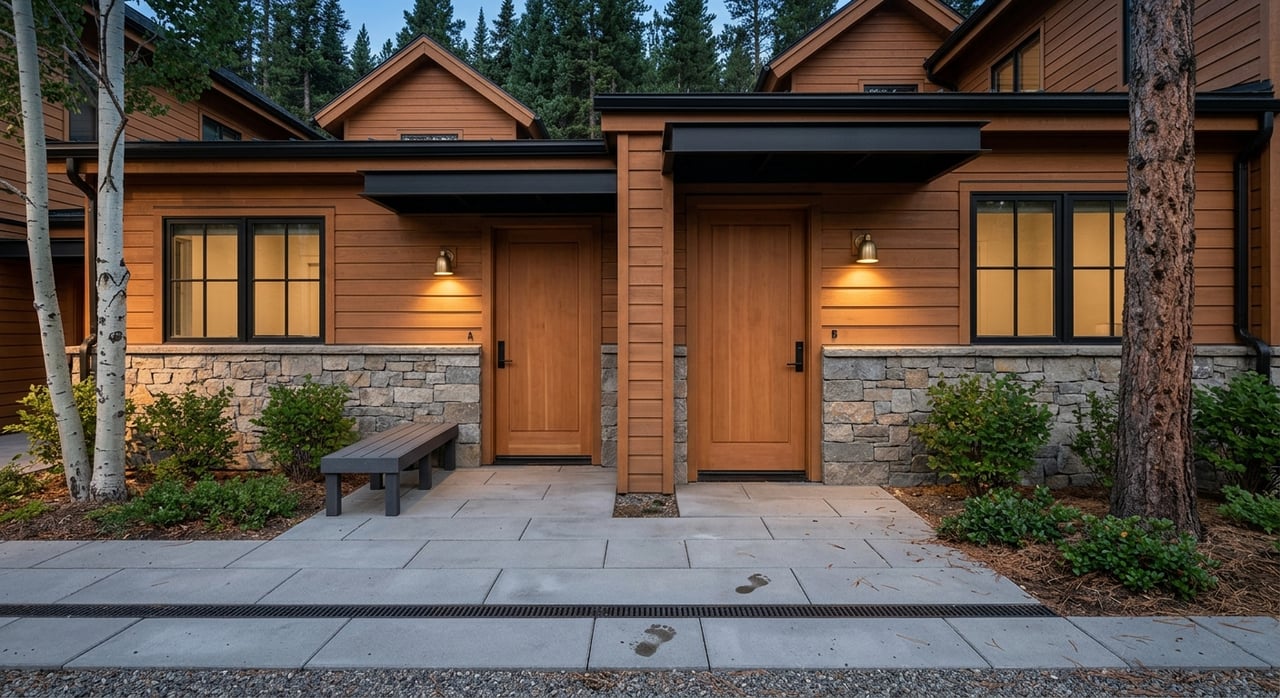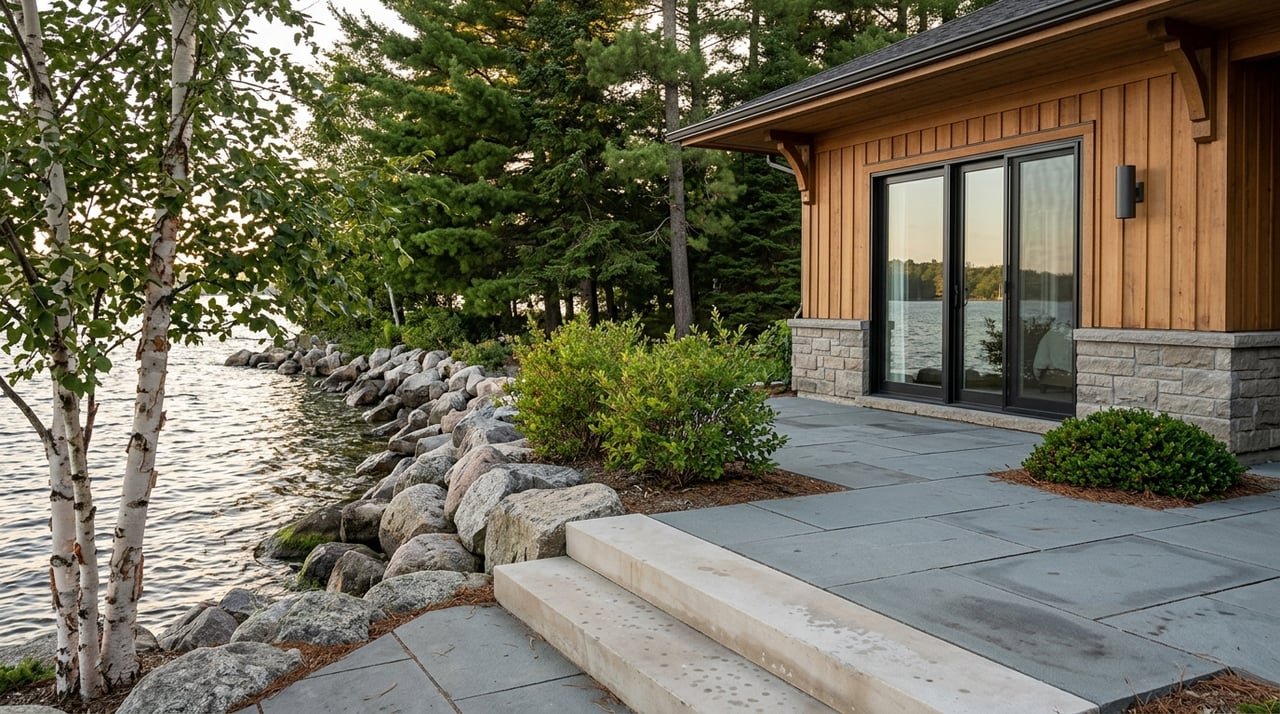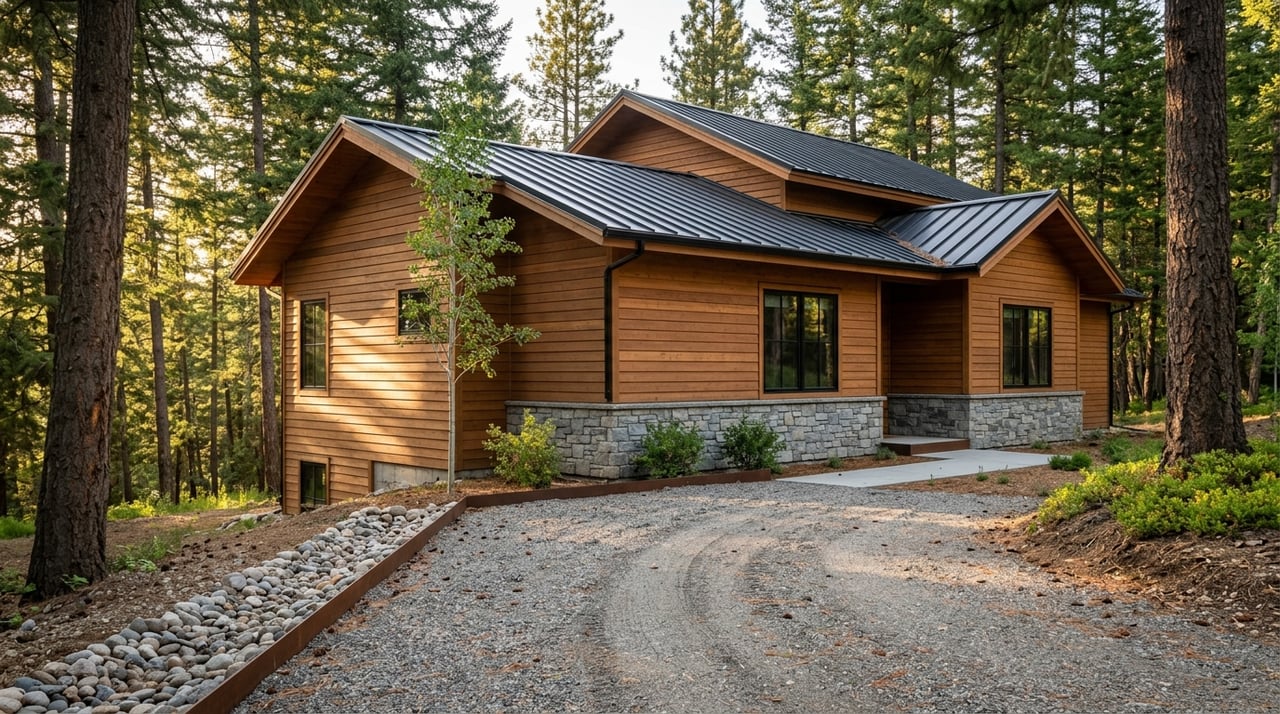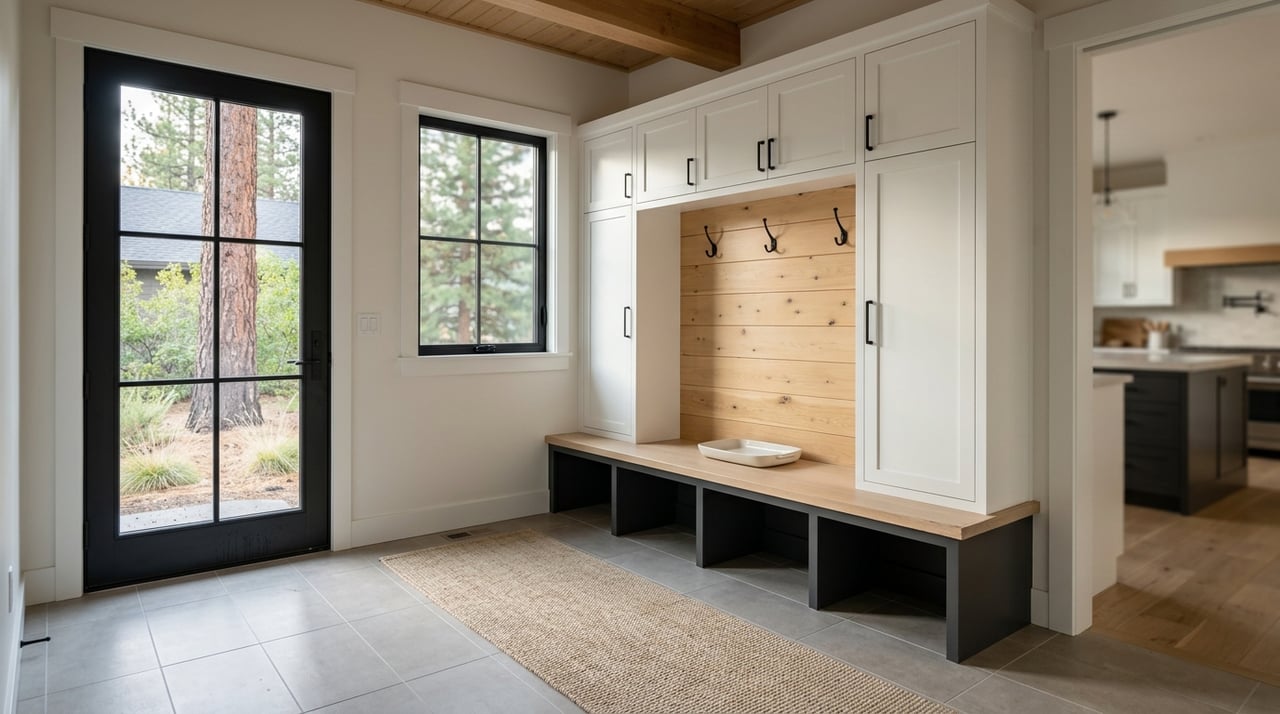
Thinking about building in Bigfork? You are not alone. For many buyers, the appeal is simple: instead of trying to fit your life into an existing home, you can start with the lot, the views, the layout, and the features that matter most to you. In a market shaped by planned communities, utility access, and custom design, it helps to know where opportunities are showing up and what steps come next. Let’s dive in.
Where New Construction Is Happening in Bigfork
If you are looking for new construction in Bigfork, most of the visible opportunities are not concentrated in the village core. Based on Flathead County planning materials, development has continued along the Highway 35 corridor from the southern edge of Bigfork north toward the Highway 82 and 83 junction. That pattern points buyers toward corridor parcels and planned communities when searching for buildable options in the area.
This matters because your search may look different than it would in a city with more infill development. In Bigfork, many new-build opportunities are tied to subdivision planning, access, and infrastructure rather than a large supply of ready-to-go homes in the center of town. According to the Bigfork Neighborhood Plan, that development pattern has shaped where new housing activity is most likely to appear.
Planned Communities Offer the Most Visibility
For many buyers, planned communities are the clearest starting point because they often provide identified homesites, established access, and shared neighborhood standards. In the Bigfork area, several communities and subdivision proposals help show where inventory may still exist or where future supply may emerge.
One notable example is Northshore Woods, a proposed project described in county agenda materials as 51 residential lots on 105.03 acres at 8095 MT Highway 35. The proposal states that the lots would be served by Bigfork Water & Sewer, which is a major detail for anyone evaluating buildability and timing. You can review that proposal in the county agenda documents.
Another established option is Saddlehorn, a 500-acre mountain community with multiple neighborhoods, trail access, Flathead Lake access, and a range of lot types. Its homesite mix includes smaller neighborhood pockets as well as larger parcels from about 1 to 2.3 acres, giving buyers different approaches to privacy, views, and home design. More details are available through Saddlehorn’s community information.
Existing planned neighborhoods also continue to show buildable inventory. Eagle Bend West reports that lots are still available within its 58-property community, Eagle Bend North includes 118 residential lots around the golf course, Eagle Rock advertises a limited group of 10 lots, and Lake Pointe provides owner resources tied to design review and build applications. These communities reinforce the idea that Bigfork new construction is often tied to organized subdivision settings rather than scattered infill sites.
What Lot Options Usually Look Like
In Bigfork, the visible lot supply is generally a mix of platted subdivision homesites, golf- and lake-adjacent neighborhoods, and larger ridge or acreage parcels. That range gives you flexibility, but it also means your buying process should start with priorities.
If you want a more streamlined path, subdivision lots can offer a clearer framework for utilities, access, and design standards. If you want more separation or topographic variety, larger parcels may give you that flexibility, but they can also introduce more questions about infrastructure, grading, and planning.
At Saddlehorn, for example, the range of lot types shows how different the experience can be from one parcel to the next. Some sites are tied to neighborhood clusters, while others are oriented around size, elevation, or views. You can see that range in Saddlehorn’s homestead offerings.
Custom Homes Are a Major Part of the Bigfork Market
Bigfork’s new-construction landscape leans heavily toward custom building. Based on builder service descriptions and the character of local communities, the market appears more focused on lot selection, site planning, excavation, and custom design than on large production-home inventory.
Several local firms describe services that align with that approach. Bigfork Builders presents itself as a custom residential design-and-build company that helps clients select a location and move through site planning, design, and construction. You can learn more through Bigfork Builders.
Other firms also reflect a custom-oriented ecosystem. Hill Builders says it works exclusively in and around Bigfork on custom homes, JM Contracting identifies itself as a Bigfork builder with more than 20 years in the area and notes that it performs its own excavation, and Montana Build lists Bigfork among its service areas. For buyers, that means your process may involve matching the right lot to the right building team rather than choosing from a broad menu of spec homes.
Utilities Can Shape Your Search Fast
In Bigfork, utility access is not a side issue. It is often one of the first filters that determines whether a lot is practical for your timeline and budget.
For subdivided lots under 20 acres, Flathead County Environmental Health reviews adequate water and sewer facilities as part of subdivision review. That makes utility availability especially important if you are comparing lots in or outside established communities. You can review that process through the Flathead County subdivision review program.
Bigfork Water & Sewer also plays a direct role for properties within its service framework. The district has served the village since 1984, according to a Montana DEQ system report, and its new service process requires a signed hook-up application, full fees, excavator insurance, a copy of the state plumbing permit, county zoning sign-off, and plans and specifications before installation is scheduled. Those requirements are outlined on the Bigfork Water & Sewer new service request page.
Permits and Reviews to Expect
Flathead County buyers are sometimes surprised to learn that the county does not operate a building department or regulate the uniform building code. Instead, the Montana Department of Labor & Industry handles building codes and permits, while some county zoning districts may require site plan review before construction. You can confirm that through Flathead County building information.
That division of responsibilities makes it important to understand who handles what before you buy a lot. A parcel may still require multiple layers of review, including state permit steps, local zoning sign-off, utility coordination, and community design approval if the property is inside an HOA-managed neighborhood.
When a state building permit is required, Montana DLI says plan review averages about three weeks. It also notes that the building permit must be issued before related plumbing, mechanical, or electrical permits can begin. You can review those timing details on the Montana DLI building permit page.
HOA Rules Can Affect Design and Timing
If you buy in a planned community, you may need to account for neighborhood-level approvals in addition to county, state, and utility steps. That does not make the process harder by default, but it does add coordination.
For example, Eagle Bend West states that it is governed by CC&Rs, and Lake Pointe provides HOA resources that include CC&Rs, design review, and build applications. In practice, that means your home plans may need to fit established community standards before construction can move forward.
This step can be helpful if you want a more consistent framework for neighborhood design. It can also affect your timeline, especially if you are hoping to start construction quickly after closing.
What Usually Drives Cost in Bigfork
In many Bigfork builds, the biggest cost differences come from the lot itself rather than just the house plan. Topography, view orientation, access, road requirements, and utility service can all affect what it takes to move from raw land to a finished home.
The local sources point to a few recurring themes. View-oriented and acreage lots can carry a premium because of location and terrain. Water and sewer adequacy can affect whether a lot is straightforward to build on. In subdivision settings, access and internal road improvements may also become part of the larger approval picture.
That is why lot selection is such a strategic step. A parcel that looks similar on paper may lead to a very different building experience depending on infrastructure, approvals, and community standards.
How to Approach a Bigfork New-Build Search
If you are just getting started, a smart search usually begins with a short list of practical questions before you focus on finishes and floor plans.
Consider these first:
- Is the lot in a planned community or outside one?
- What water and sewer options are already in place?
- Is there clear road access?
- Will the property need state permit coordination?
- Does the neighborhood have CC&Rs or design review?
- Does the lot’s topography fit the kind of home you want to build?
For buyers and investors alike, utility service and access are often the first screens because they can shape both buildability and carrying costs. Starting there helps you avoid spending time on land that may not fit your budget, schedule, or goals.
Why Local Guidance Matters
Bigfork offers compelling options for buyers who want a custom home, a future build site, or a lot in a planned community with established amenities and standards. But the path to a finished home is often more layered than simply buying land and hiring a builder.
When you understand where development is happening, how permitting works, and what role utilities and HOA review can play, you are in a much stronger position to evaluate opportunities with confidence. If you are exploring new construction or custom home options in Bigfork, working with a local team that understands land, development patterns, and neighborhood-level differences can help you move forward with a clearer strategy.
If you want help identifying lots, evaluating buildability, or understanding how a Bigfork property fits your lifestyle or investment goals, connect with Cecil Waatti to start the conversation.
FAQs
What new construction options are available in Bigfork?
- Bigfork’s visible new-construction opportunities are largely found in planned communities, subdivision projects, and corridor development along Highway 35 rather than in the village core.
What should you check before buying a lot in Bigfork?
- You should first confirm water and sewer availability, access, permit needs, zoning or site-plan requirements, and whether the lot is subject to HOA rules or design review.
How long does permitting take for a Bigfork new build?
- When a state building permit is required, Montana DLI says plan review averages about three weeks, but total timing can vary based on paperwork completion, utility coordination, and any additional approvals.
Can you build outside a subdivision in Bigfork?
- Yes, but lots under 20 acres are reviewed for adequate water and sewer facilities, and county and state requirements may still apply depending on the property.
Do Bigfork planned communities have design rules for custom homes?
- Some do, including communities that reference CC&Rs, design review, and build applications, so it is important to understand those standards before finalizing your plans.
What typically affects custom home costs in Bigfork?
- Common cost factors include lot topography, view orientation, utility availability, access, and any subdivision or HOA-related requirements that shape the building process.