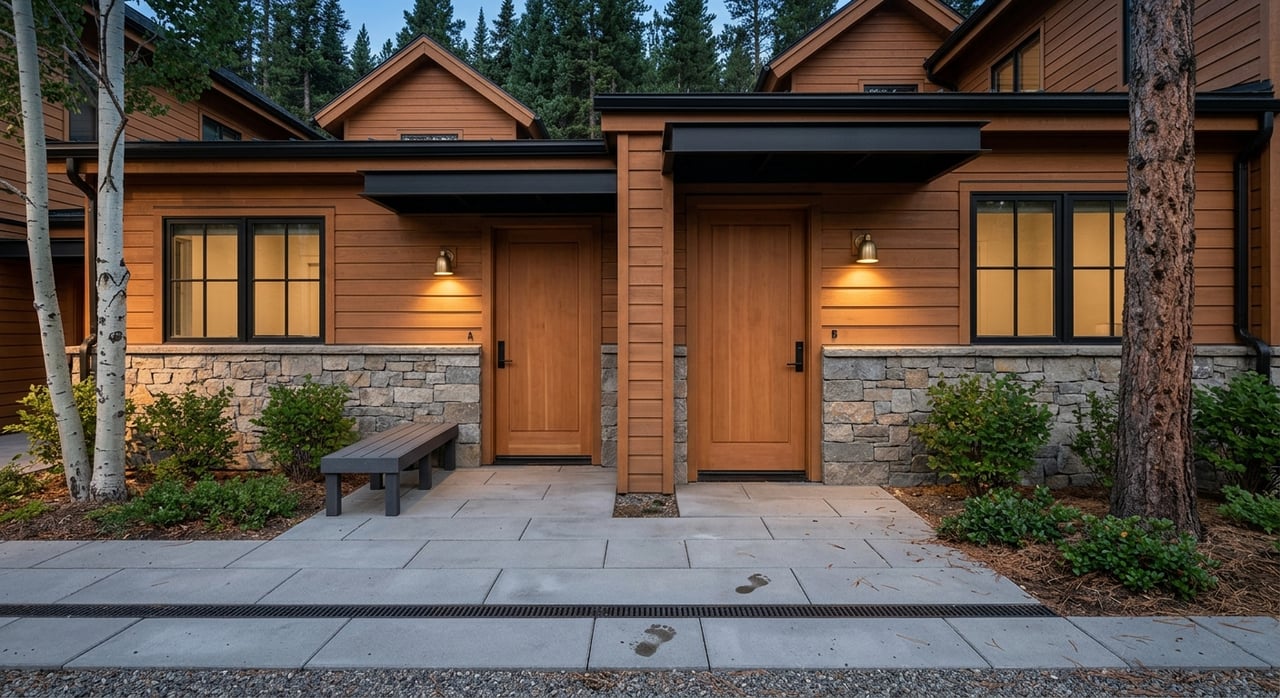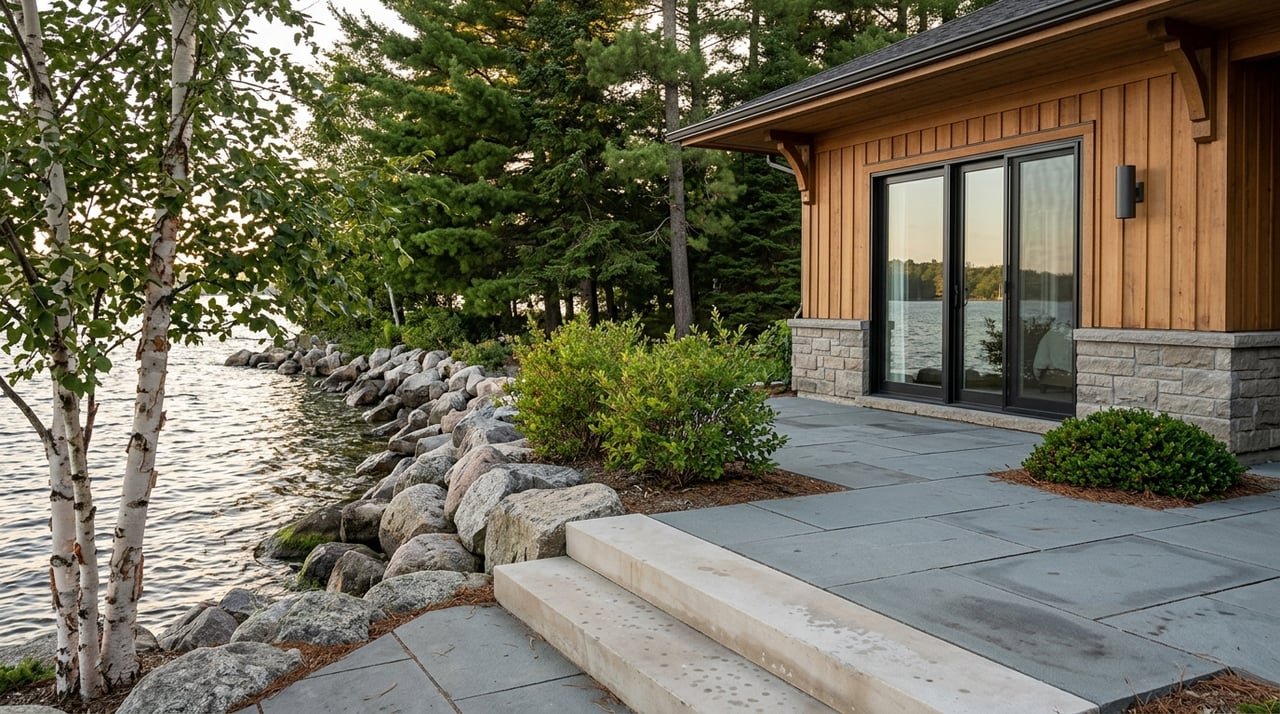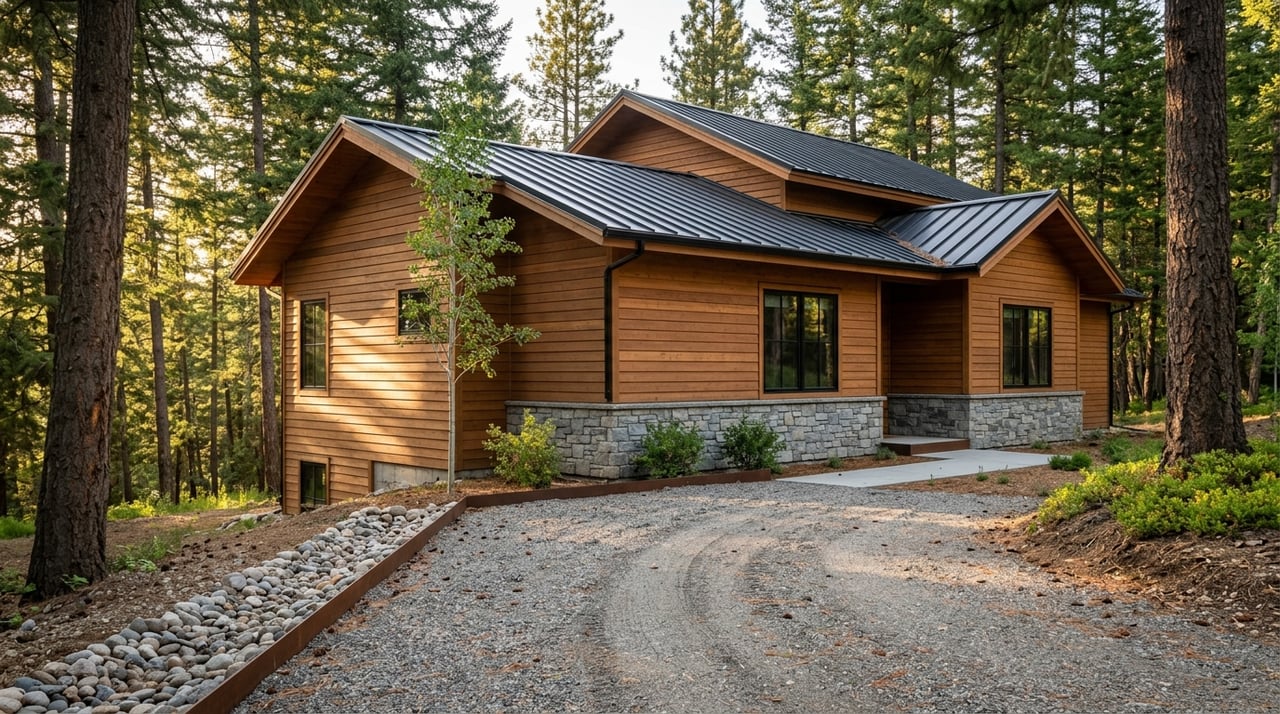
Choosing land for a cabin near Columbia Falls can feel simple at first. A pretty view, enough acreage, and close access to Glacier might seem like all you need. But if you want a site that truly fits your goals, the real evaluation starts with permits, utilities, access, and use rules. If you are buying for a second home, future build, or short-term rental potential, this guide will help you focus on the details that matter most. Let’s dive in.
Start With Jurisdiction First
Around Columbia Falls, the first question is not how many acres a parcel has. It is whether the property is inside the City of Columbia Falls or in unincorporated Flathead County.
That matters because the rules change based on location. The City of Columbia Falls publishes maps for zoning, existing land use, water, and wastewater. Flathead County also provides GIS zoning lookup tools. Before you think about cabin design, rental use, or development cost, you need to confirm exactly where the parcel sits.
In Columbia Falls, building, electrical, mechanical, and plumbing permit applications begin with the city, and inspections are handled through the City of Whitefish under contract. In unincorporated Flathead County, the county says it does not require county building permits, although state building codes still apply. The county also notes that some parcels may fall under City of Kalispell building jurisdiction.
For you as a buyer, this can shape both timing and budget. A parcel may look ideal online but still be a poor fit if the permitting path does not line up with your intended use.
Check Utilities Early
Utilities are one of the fastest ways to separate a workable cabin site from a risky one. If a parcel is in city service territory, Columbia Falls provides water and sewer service through its Utilities department.
The city also notes that work in city right-of-way or tie-ins to city water and sewer requires an excavation or encroachment permit. That means you should not assume a nearby line makes connection simple. Reviewing the city’s water and wastewater maps early can save time and prevent costly surprises.
If the property is outside city service, private water and septic become central diligence items. In those cases, the evaluation gets more technical and more important.
Septic and Water Need Real Review
Flathead County Environmental Health says sewage can contaminate groundwater and state waters. The county has replaced the old perc test with groundwater monitoring to identify a septic drain-field location, and it says this monitoring typically happens in spring when groundwater levels are highest.
That timing matters if you are trying to close quickly and build soon after. A parcel that needs groundwater monitoring may not fit a short construction timeline.
Water capacity matters too, especially if you are thinking about future guest use or rental income. For establishments not connected to municipal water, the county says water must be tested twice a year for coliforms and once every three years for nitrates and nitrites.
Flathead County also flags septic and water capacity as common reasons for license denial in sleeping accommodations. For example, the county notes that a three-bedroom septic system serving a five-bedroom home is a problem, and inadequate potable water supply can also block licensure.
Verify Access Before You Price the Deal
Road access deserves the same attention as utilities. A parcel with weak or uncertain access can become much more expensive than it first appears.
Flathead County requires roadway permits for work in county road right-of-way, for changing or improving an approach, and for work that affects county roads or traffic flow. The Montana Department of Transportation also lists driveway approach and encroachment permit applications for work tied to state highways.
If your cabin site needs a new or improved entrance, that should be part of your due diligence before closing. It is much better to confirm access requirements up front than to discover later that improvements are needed for safe or legal entry.
Review Floodplain Status Up Front
Floodplain status should be checked early in the process, not after you are under contract and emotionally committed. Flathead County says FEMA Flood Insurance Rate Maps are used to set minimum floodplain building requirements.
The county also notes that standard property insurance does not cover flooding. Columbia Falls maintains floodplain hazard regulations as well, so city parcels and county parcels both deserve close review.
A floodplain parcel is not automatically unusable. But if you are considering one, you should understand the building requirements and insurance implications before you finalize your numbers.
Evaluate Short-Term Rental Potential Carefully
For many buyers around Columbia Falls, cabin value is tied to possible short-term rental use. If that is part of your plan, the permit path and operating rules can materially affect what a parcel is worth to you.
In Columbia Falls, vacation rentals are allowed by right in commercial CB districts. In residential CR districts, they require an Administrative Conditional Use Permit.
The city also points owners to state lodging-tax registration, fire and health inspections, a local contact who can respond within 45 minutes in an emergency, at least two off-street paved parking spaces, and HOA approval if covenants apply. These are not minor details. They directly affect whether your rental plan is realistic.
If the property is inside city limits, Columbia Falls also collects a 3 percent resort tax on qualifying sales and rentals within the city, including lodging rentals of less than 30 days. If you are underwriting a cabin as an income-producing asset, that should be built into your projections.
County STR Rules Can Differ
Outside the city, Flathead County regulates short-term rentals through its zoning rules. The county says some zones require an administrative conditional use permit, some zones allow short-term rentals by right, and unzoned areas may not require Planning and Zoning approval.
Even so, county health licensure still matters. Flathead County says a public accommodations license is required for nightly or weekly stays, and licensure can be denied for zoning conflicts, Certificate of Subdivision Approval restrictions, inadequate septic capacity, or inadequate potable water.
That is especially important if you are looking at raw land or lightly improved cabin sites. A parcel may seem flexible at first, but private system limits or subdivision restrictions can narrow your options quickly.
Do Not Overlook CC&Rs and HOA Rules
Recorded restrictions are part of core due diligence. In Columbia Falls, the vacation rental application states that the owner is responsible for reviewing and following all covenants, conditions, and restrictions, and that the city will not enforce them.
In plain terms, that means local approval is only one part of the picture. You also need to review the recorded plat, CC&Rs, and any HOA rules before assuming a cabin, guest-use, or STR plan will work.
This is one of the most common ways buyers overestimate a parcel’s flexibility. A title review can be just as important as a zoning review.
Glacier Access Adds Appeal, But Seasonality Matters
Columbia Falls benefits from its access to Glacier National Park and the west-side park corridor. The National Park Service identifies Columbia Falls as one of the communities providing access to places like Lake McDonald, Park Headquarters, the Apgar Visitor Center, and Going-to-the-Sun Road.
That proximity can support both lifestyle value and visitor demand. For second-home buyers and investors, it is easy to see why this area draws attention.
But seasonality matters. The park says Glacier is extremely busy during summer, and vehicle reservations are required for certain areas during peak season, including the Going-to-the-Sun Road corridor, the North Fork, and Many Glacier.
The National Park Service also notes that many roads are seasonal, that Going-to-the-Sun Road typically does not fully open until late June at the earliest, and that the alpine section usually closes around the third Monday of October depending on weather. So while Glacier access is a strong advantage, your site decision should also account for traffic patterns, reservation logistics, and winter access realities.
A Practical Site Evaluation Checklist
Before you move forward on land or a cabin site around Columbia Falls, focus on these essentials:
- Confirm whether the parcel is in the City of Columbia Falls or unincorporated Flathead County.
- Check zoning and intended use before discussing design, pricing, or rental income.
- Verify whether the property can connect to city water and sewer or must rely on private systems.
- Review septic history, groundwater-monitoring needs, and any water-testing requirements.
- Confirm legal and practical access, including whether county or state roadway permits may be needed.
- Check floodplain status early.
- Review the recorded plat, CC&Rs, and HOA rules.
- If short-term rental use matters to you, confirm the exact permit path, health requirements, parking standards, local contact requirements, and any local tax obligations.
- Confirm the correct building-permit authority before budgeting construction.
Why Local Guidance Helps
Land around Columbia Falls can offer excellent long-term value, whether you are planning a mountain retreat, a second home near Glacier, or a future investment property. But the right parcel is rarely just the one with the best photos or the biggest views.
The better buy is usually the site that matches your actual goals, timeline, and operating plan. That takes a grounded review of jurisdiction, infrastructure, access, restrictions, and use potential.
If you want help evaluating land and cabin sites around Columbia Falls with a practical, investment-minded lens, connect with Cecil Waatti. You will get local insight backed by real experience in Flathead Valley land, lifestyle, and development-oriented real estate.
FAQs
What should you check first when evaluating land around Columbia Falls?
- Start by confirming jurisdiction and zoning. Whether the parcel is inside Columbia Falls or in unincorporated Flathead County can change the permit path and possible uses.
Can a cabin site near Columbia Falls connect to city water and sewer?
- Some parcels can, but not all. You should verify whether the property is in city service territory and review utility maps before assuming water and sewer are available.
How does septic approval work for land in Flathead County?
- Flathead County says groundwater monitoring is used to identify a septic drain-field location, and that monitoring typically occurs in spring when groundwater is highest.
Can you use a Columbia Falls cabin as a short-term rental?
- It depends on the parcel location, zoning, permit requirements, health licensure, parking standards, and any private restrictions such as CC&Rs or HOA rules.
Does floodplain status affect a cabin site near Columbia Falls?
- Yes. Floodplain status can affect minimum building requirements and insurance planning, and standard property insurance does not cover flooding according to Flathead County.
Why does Glacier proximity matter when choosing a cabin site near Columbia Falls?
- Glacier access can add lifestyle appeal and support visitor demand, but you should also consider peak-season traffic, vehicle reservation requirements, and seasonal road access when evaluating the property.