If you’re selling a lakefront home in Lakeside, you’re not just putting a house on the market. You’re selling shoreline access, views, seasonal lifestyle, and a property type that comes with more moving parts than a typical inland home. That can feel like a lot, especially if you want to protect your timing, pricing, and net proceeds. The good news is that with the right prep, you can go to market with more clarity and fewer surprises. Let’s dive in.
Why lakefront sales work differently
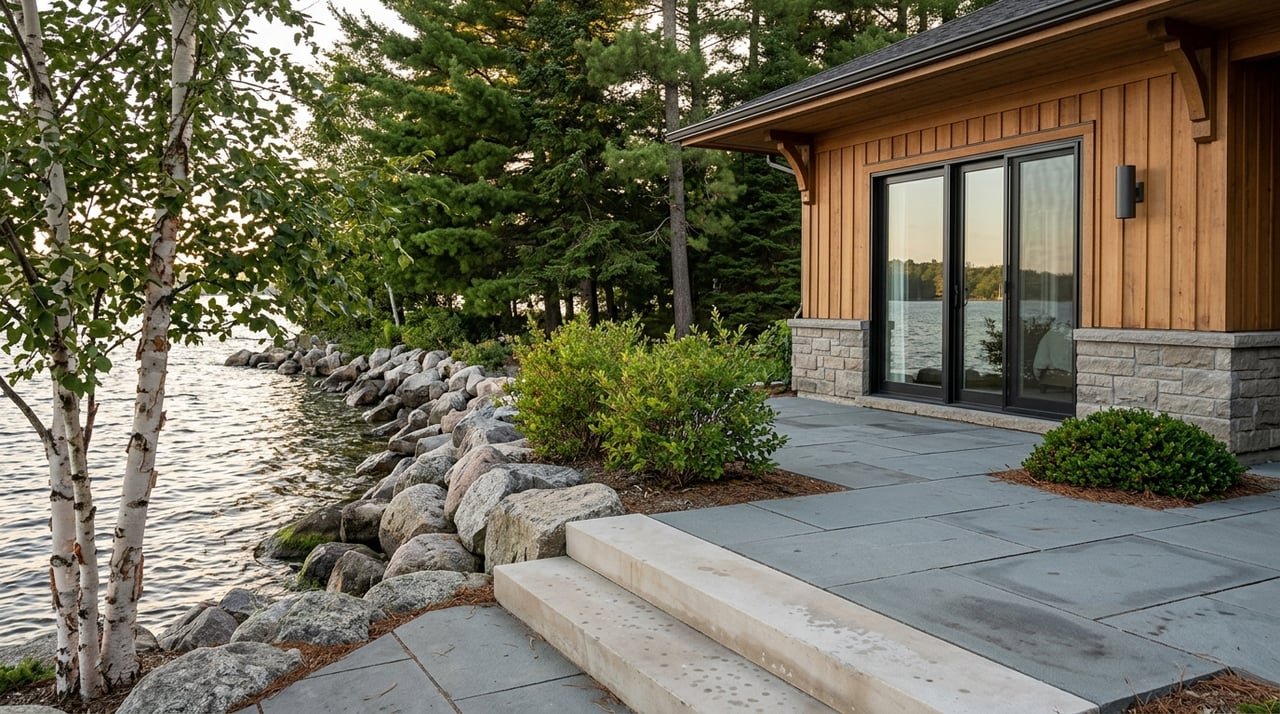
Selling near Flathead Lake means buyers often look past the house itself and focus just as closely on the land, shoreline, and access. They want to understand how the waterfront is used, what structures are in place, and whether any past work followed county rules.
That matters in Lakeside because Flathead County regulates work near the lake. The county defines a lakeshore protection zone within 20 horizontal feet of the lake at mean annual high water, and work in that area may require a Lake and Lakeshore Construction Permit. For sellers, that makes early due diligence especially important.
What the Lakeside market suggests
Broad market data points to a slower-moving market in early 2026. Realtor.com reports a median listing price of $794,000 in Lakeside with a median 135 days on market, while Flathead County overall shows a median listing price of $844,475 and a median 71 days on market.
Those numbers suggest buyers may have more time and more choices than in a fast-moving market. Countywide, homes sold at 97 percent of list price in March 2026, which means average sales came in about 2.84 percent below asking. If you price too aggressively, you may face longer market time and more reductions.
Why online estimates have limits
Public pricing tools can be helpful, but they should only be a starting point for a waterfront home. Zillow reports typical value estimates, while Realtor.com reports median listing prices, so those numbers are not measuring the same thing.
Montana is also a non-disclosure state, which means purchase prices are not public information. For that reason, pricing a lakefront home in Lakeside usually depends more on local comparable sales, MLS data, shoreline characteristics, condition, and broker analysis than on a single portal estimate.
Start with pre-list due diligence
A strong lakefront sale often begins before the home is ever photographed. The goal is to identify issues early, gather records, and answer likely buyer questions before they slow down negotiations.
For many sellers, this step can reduce stress later in the process. It also helps you price and market the property with more confidence.
Check shoreline structures and permits
If your property includes a dock, buoy, shore station, retaining features, or prior shoreline work, review those items early. Flathead County says work on or disturbance of a lake, lakebed, or lakeshore protection zone can require a permit, though some limited maintenance and minor repairs may be exempt.
This is one of the first things informed buyers tend to ask about. If you can clearly explain what exists, what was improved, and whether permits applied, you make the transaction easier to evaluate.
Sort out boats and lake equipment
Lake gear can complicate a sale if it is handled at the last minute. If you plan to include any equipment, it helps to identify what stays, what goes, and whether anything needs inspection or disinfection.
Flathead County says used structures such as docks, buoys, and shore stations should be inspected and disinfected before installation to reduce aquatic invasive species risk. Montana Fish, Wildlife and Parks also says vessels and equipment entering the Flathead Basin from outside the basin must be inspected before launching.
Review septic or sewer records
Wastewater service is a major due diligence item for lakefront homes. Buyers will want to know whether the property is served by sewer or septic, and they may ask for records, maintenance history, or inspection details.
Flathead County notes that septic regulations and construction standards changed on April 1, 2026. The county’s septic program is designed to reduce contamination to high-quality state waters, and the Lakeside neighborhood plan encourages connection to public sewer where possible rather than septic dependence near Flathead Lake.
Look into drainage and floodplain questions
Waterfront buyers tend to pay close attention to drainage, standing water, grading, and erosion concerns. Even small changes on a lakefront parcel can raise questions, especially if they affect runoff, retaining walls, or shoreline stability.
Flathead County’s flood information materials note that floodplain areas can be associated with erosion and property damage if poorly managed. If your property has any floodplain considerations or past site work, it is smart to gather information before listing.
Clarify water rights early
Water rights are another Montana-specific item that can affect your sale. The Montana Department of Revenue says a Realty Transfer Certificate must be filed when real estate changes ownership, and that form requires disclosure about whether water rights exist, are being transferred, or are being reserved.
The form also explains that if a recorded document is silent, water rights generally pass with the land by operation of law. If any reservation or severance is intended, it should be handled clearly and documented.
What Montana disclosure law means for sellers
Montana requires sellers to provide a written disclosure of known adverse material facts before or at contract execution. The law covers a wide range of issues, including title matters, water source, wastewater treatment, utility connections, structural systems, wells, septic systems, permits for additions or alterations, hazardous materials, standing water, drainage, and other environmental or physical issues.
If disclosure is delivered after contract signing, the buyer generally has a three-day right to rescind unless the parties agree otherwise in writing. That means timing and completeness matter.
The disclosure is not a warranty, and it does not replace buyer inspections. Still, for a lakefront property, it is wise to expect close review of items tied to water, shoreline condition, drainage, and past improvements.
Why pre-list inspections can help
Because Montana disclosure law puts so many property-condition issues in play, pre-list inspections can be a smart move. They can help uncover problems with the roof, foundation, drainage, septic, shoreline structures, or additions before a buyer finds them.
That does not mean every issue must be fixed before listing. It means you have a better chance to decide how to address concerns on your timeline rather than in the middle of a negotiation.
Pricing a Lakeside lakefront home
Pricing discipline matters in a softer market. A lakefront home should not be priced only by looking at countywide averages or inland properties with similar square footage.
Instead, buyers often weigh details such as shoreline usability, lake access, privacy, dock setup, water views, lot characteristics, condition, and compliance history. A well-priced property reflects those waterfront-specific factors instead of aiming for the high end of a broad market range without support.
Timing your listing for waterfront appeal
Timing matters for any sale, but it matters even more when you are selling a property tied to recreation and seasonal use. Broad national research from Realtor.com identified April 12 through 18, 2026 as the best week to list based on price trends, views, competition, and market pace.
In Lakeside, spring to early summer often makes practical sense for a waterfront listing. The West Shore unit of Flathead Lake State Park says its dock is normally available from mid-March through November, weather permitting, which helps illustrate when buyers can more easily picture boat access, shoreline use, and time on the water.
Marketing that matches the property
Lakefront marketing works best when it is both polished and accurate. Buyers want clear visuals, but they also want confidence that what they see online matches what they will experience in person.
National Association of Realtors data from 2025 found that 83 percent of buyers’ agents said staging made it easier for buyers to visualize a property as a future home. The same reporting found that 29 percent of agents said staging increased the dollar value offered by 1 percent to 10 percent.
Focus staging on core spaces
You do not need to stage every corner of the home equally. NAR reports that the rooms most often staged are the living room, primary bedroom, dining room, and kitchen.
That aligns well with how many buyers experience a lakefront home. They want to see where views show up best, how the home flows for gatherings, and whether the main living spaces feel clean, bright, and easy to enjoy.
Prep for photos carefully
Before photography day, prioritize decluttering, deep cleaning, and curb appeal. Those are among the most common seller recommendations reported in NAR’s 2025 staging survey.
For lakefront homes, strong photos should accurately show the shoreline, views, access, and outdoor spaces, not just the interior finishes. If virtual staging is used, it should be clearly disclosed so buyers are not surprised later.
What to expect during the sale process
Expect buyers to ask more detailed questions than they might with a non-waterfront property. They may want information on permits, shoreline work, septic or sewer service, drainage, floodplain considerations, included equipment, and water rights.
You should also expect pricing scrutiny. In a buyer-leaning market, strong presentation helps, but buyers still tend to compare value closely and negotiate based on condition, documentation, and how usable the waterfront experience feels in real life.
The smoother path usually comes from preparation. When your records are organized and your pricing is grounded in the realities of the Lakeside waterfront market, you reduce the chance of avoidable delays.
Selling a lakefront home in Lakeside is part pricing strategy, part property preparation, and part local compliance check. When those pieces work together, your home is easier to understand, easier to market, and more likely to attract serious buyers who appreciate what makes waterfront ownership here distinct. If you want a local, data-driven plan for your next move, connect with Cecil Waatti.
FAQs
What should sellers in Lakeside know about shoreline permits?
- Flathead County says work on or disturbance of a lake, lakebed, or the lakeshore protection zone may require a Lake and Lakeshore Construction Permit, and the protection zone includes land within 20 horizontal feet of the lake at mean annual high water.
What does Montana disclosure law require when selling a lakefront home?
- Montana requires a written disclosure of known adverse material facts before or at contract execution, including issues involving water source, wastewater treatment, permits, drainage, standing water, structural systems, and related property conditions.
What wastewater details matter when selling a Lakeside waterfront property?
- Buyers often want clear information on whether the home is connected to sewer or served by septic, along with records and inspection details, especially since Flathead County updated septic regulations and construction standards on April 1, 2026.
What is the best time to list a lakefront home in Lakeside?
- Spring to early summer is often the most practical window because it aligns with strong seasonal buyer interest and makes it easier to showcase shoreline access, views, and lake use.
What should Lakeside sellers know about water rights in a home sale?
- Montana’s Realty Transfer Certificate requires disclosure about whether water rights exist, are being transferred, or are being reserved, and if recorded documents are silent, water rights generally pass with the land.
What pricing approach works best for a Lakeside lakefront home?
- Lakefront pricing should rely on local comparable sales, MLS data, property condition, shoreline usability, access, and compliance details rather than a single online estimate.