Wondering whether a Whitefish ski-in/ski-out home is truly worth the premium? In this market, the right property can deliver an exceptional mountain lifestyle, but not every listing labeled "ski-in/ski-out" offers the same access, flexibility, or ownership experience. If you are comparing homes on or near Whitefish Mountain Resort, this guide will help you look past the marketing language and focus on what really matters. Let’s dive in.
Why Whitefish Ski Homes Need Careful Review
Whitefish Mountain Resort is more than a local ski hill. It is a large four-season destination with 110 named trails across about 3,000 acres, nearly 300 inches of annual snowfall, 11 chairlifts, a T-bar, and beginner carpets. That broader resort profile matters because the value of a mountain home here is often tied to year-round use, not winter alone.
The resort also supports summer recreation like biking, hiking, scenic lift access, dining, and lodging. For you as a buyer, that means a ski property may also serve as a summer retreat, a second home with broader seasonal appeal, or a property with more than one booking season in mind. In Whitefish, that year-round lifestyle is part of the evaluation.
Start With the Access Type
The first thing to verify is what "ski-in/ski-out" actually means for a specific property. Some homes offer direct slope access, while others may require a short walk, a road crossing, or a shuttle connection before you clip in. That difference can affect convenience, daily use, and long-term value.
Whitefish Mountain Resort operates free parking, village and lodging shuttles, parking-lot shuttles, and the free S.N.O.W. Bus to downtown Whitefish. That transportation setup is helpful, but it also means some listings may sound more direct than they function in real life. When you compare properties, ask for the exact route from the front door to the nearest run or lift.
Questions to ask about ski access
- Is the route truly direct from the home to a ski run?
- Do you need to walk uphill or across a road?
- Is the access dependable in different snow conditions?
- Does the route depend on shuttle service?
- How close is the home to the Base Lodge or Lift Plaza?
Compare Whitefish Property Types Carefully
Whitefish Mountain Resort includes a mix of property types, not one standard ski-home format. On-mountain options can include ski-in/ski-out homes, contemporary mountain retreats, premium condos, townhomes, and land opportunities. That variety is one reason buyers should compare function and ownership style, not just size or price.
The resort lodging materials show common on-mountain areas such as Upper Village, Winter Lane, West Village, Tamarack Loop, Wood Run, and Moose Run. Upper Village is described as being within walking distance of the resort’s main attractions, while Wood Run and Moose Run are noted as the closest townhome areas to the Base Lodge. In practice, that makes micro-location one of the biggest value drivers on the mountain.
Common ownership options
- Condos: Often offer easier maintenance and shared amenities
- Townhomes: Can provide more space, garage storage, and a balance of convenience and privacy
- Private homes: May offer the most privacy and flexibility, but often come with more upkeep and more variables to verify
Look at Amenities, Not Just Square Footage
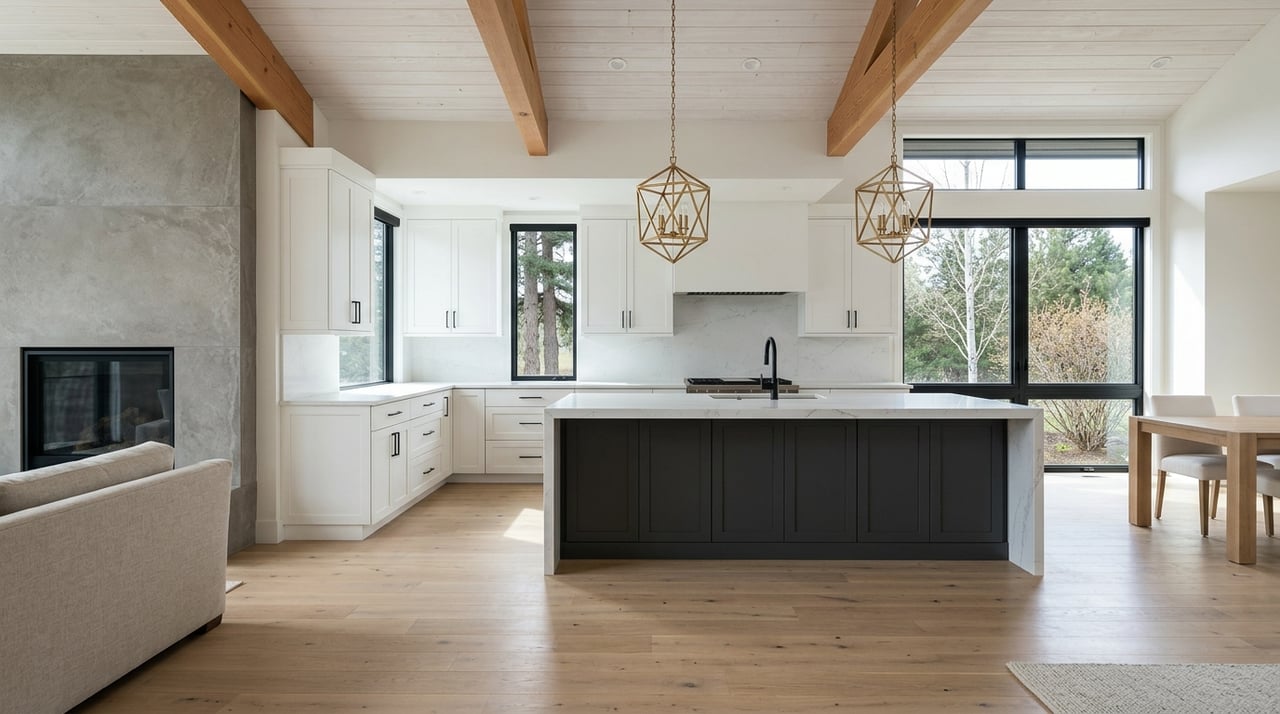
In Whitefish, amenities can shape value as much as floor plan. Some condo buildings include elevators, underground parking, shared hot tubs, fireplaces in larger units, kitchens, and mountain views. Other properties may add saunas, private garages, or private hot tubs.
For example, the resort lodging guide highlights amenity differences among buildings like Morning Eagle, Kintla Lodge, and Edelweiss. A larger home may sound appealing, but a smaller unit with stronger access and a better amenity package can be a better fit depending on how you plan to use it. The key is to compare the whole ownership experience.
Amenities worth comparing
- Parking type and winter ease
- Elevator access
- Private versus shared hot tubs
- Garage or gear storage
- Fireplace and kitchen setup
- Walkability to lifts and dining
- Building services and maintenance responsibilities
Check Rental Rules Early
If rental flexibility matters to you, do not wait until late in the process to review the rules. In Whitefish, legal use, HOA rules, and minimum-stay standards can all affect whether a property works for your plan. A home that looks strong on paper can become less attractive if the rental structure is restrictive.
The resort lodging information notes that some properties offer ski-in/ski-out access while others are only within walking distance of the slopes. It also says some units may have minimum stay requirements, such as at least two nights in summer or five nights in winter. Those rules can influence booking flexibility and owner use.
Focus on these rental questions
- Are nightly rentals allowed?
- Are there minimum-night requirements?
- Are there limits on owner use or guest use?
- Are pets allowed?
- Are there restrictions on parking, trailers, or gear storage?
- Does each unit have separate requirements or approvals?
Confirm City or County Jurisdiction
One of the most important steps is confirming whether the property is inside the City of Whitefish or in unincorporated Flathead County. Short-term rental rules differ by jurisdiction, and assumptions can lead to expensive surprises. Before you project income or plan personal use, identify which set of rules applies.
In the City of Whitefish, short-term rentals are allowed only in specific zoning districts: WB-3, WRR-1, WRR-2, WRB-1, and WRB-2. The city requires a permit for all STRs, plus business registration, an annual fire inspection, and monthly resort-tax reporting. The city brochure lists the annual permit fee at $400.
Outside city limits, Flathead County rules may apply instead. The county says short-term rental housing in most zoned areas requires an administrative conditional use permit, while some zones allow it as a permitted use. The county also requires review of CC&Rs or HOA documents, adequate off-street parking, a local contact or management company that can respond within one hour, a Montana Public Accommodation License for a Tourist Home, and annual inspections.
Review HOA Documents Like Underwriting
In ski-country, HOA review is not just a box to check. It is part of the real financial and operational analysis. Even if a property appears eligible for rental under city or county rules, the HOA may still limit rentals, guest parking, pets, storage, or amenity use.
Flathead County’s own guidance makes this especially clear by stating that owners are responsible for complying with CC&Rs and HOA documents. The county is not responsible for enforcing them, but that does not reduce their impact on your ownership. If you are buying for lifestyle, rental income, or both, these documents deserve early attention.
Key HOA items to review
- Rental restrictions
- Pet policies
- Parking rules
- Guest parking availability
- Hot tub or amenity rules
- Storage limits for skis and gear
- Dues and what they cover
Understand Occupancy and Parking Limits
Occupancy is not always as simple as bedroom count. In Flathead County, maximum occupancy for short-term rental housing is tied to sewage capacity. That can create a meaningful difference between a larger private home and a condo-style property.
Parking standards matter too. City applications require properties to meet parking standards, and county guidance also requires adequate off-street parking. If you plan to host guests or rent the property, parking and occupancy can affect both compliance and marketability.
Run the Numbers With Taxes Included
If you are evaluating a Whitefish ski home as an investment or part-time rental, be realistic about net income. In the City of Whitefish, lodging is subject to Montana’s 8% lodging facility sales and use tax plus the city’s 3% resort tax. That creates an 11% combined lodging-tax burden in city limits before management costs and platform fees.
Those costs do not automatically make a property a poor investment, but they do change the math. You should evaluate projected income only after accounting for taxes, HOA dues, permit costs, maintenance, and any management needs. In a resort market, the strongest properties are often the ones with cleaner operations, not just the highest headline rates.
Think Beyond Winter Season
It is easy to focus only on ski season when you shop on the mountain. In Whitefish, that can be too narrow. Because the resort also supports summer recreation and year-round visitation, many buyers benefit from looking at how the home fits their full annual lifestyle.
A property that works well in both winter and summer can give you more personal use, broader appeal, and a stronger long-term ownership case. Even if your main goal is skiing, it is smart to ask how the location and layout will serve you in July as well as January.
What Strong Whitefish Ski Homes Usually Have
The best candidates in this market usually combine three things: reliable access, clear legal rental status, and an HOA structure that matches your intended use. That combination often matters more than a flashy finish package alone. A property that is slightly less dramatic but easier to access, easier to manage, and easier to rent can outperform a more glamorous option with unclear rules.
That is why a careful evaluation process matters so much in Whitefish. When you compare ski-in/ski-out homes through the lens of access, amenities, compliance, and year-round use, you make a more confident decision and protect the long-term value of your purchase.
If you are weighing on-mountain options in Whitefish and want a practical, locally grounded perspective, Cecil Waatti can help you evaluate access, ownership structure, and the details that matter before you make a move.
FAQs
What does ski-in/ski-out mean for homes in Whitefish?
- In Whitefish, ski-in/ski-out can mean different things depending on the property. Some homes have direct slope access, while others may involve a short walk, a road crossing, or shuttle service.
What property types are common near Whitefish Mountain Resort?
- Buyers will find a mix of condos, townhomes, private homes, and other mountain properties, with location and amenities varying widely by area and building.
What short-term rental rules apply to Whitefish ski homes?
- The answer depends on whether the property is in the City of Whitefish or unincorporated Flathead County, since each jurisdiction has different zoning, permit, inspection, parking, and compliance requirements.
What HOA rules should buyers review for Whitefish ski properties?
- You should review rental restrictions, dues, parking rules, pet policies, storage limits, guest parking, and any limits on amenity use before you buy.
What taxes should buyers include when evaluating Whitefish vacation rental income?
- For properties in the City of Whitefish, lodging is subject to Montana’s 8% lodging facility sales and use tax plus the city’s 3% resort tax, for an 11% combined lodging-tax burden before other operating costs.