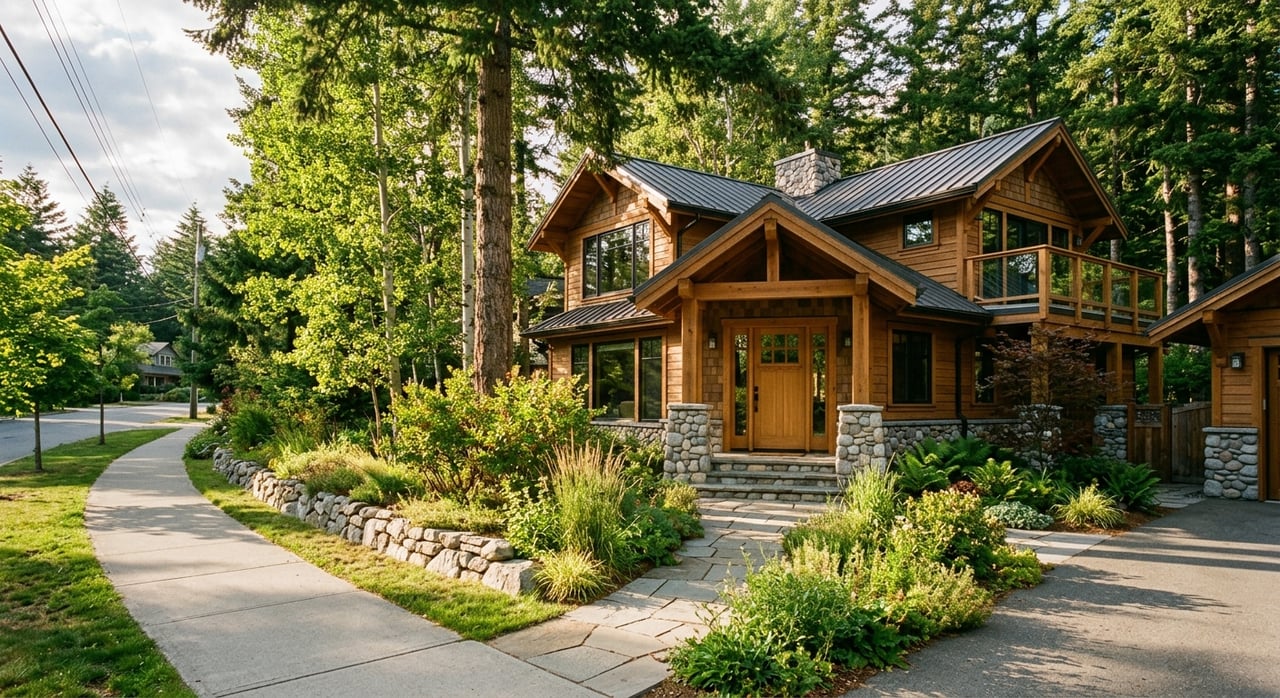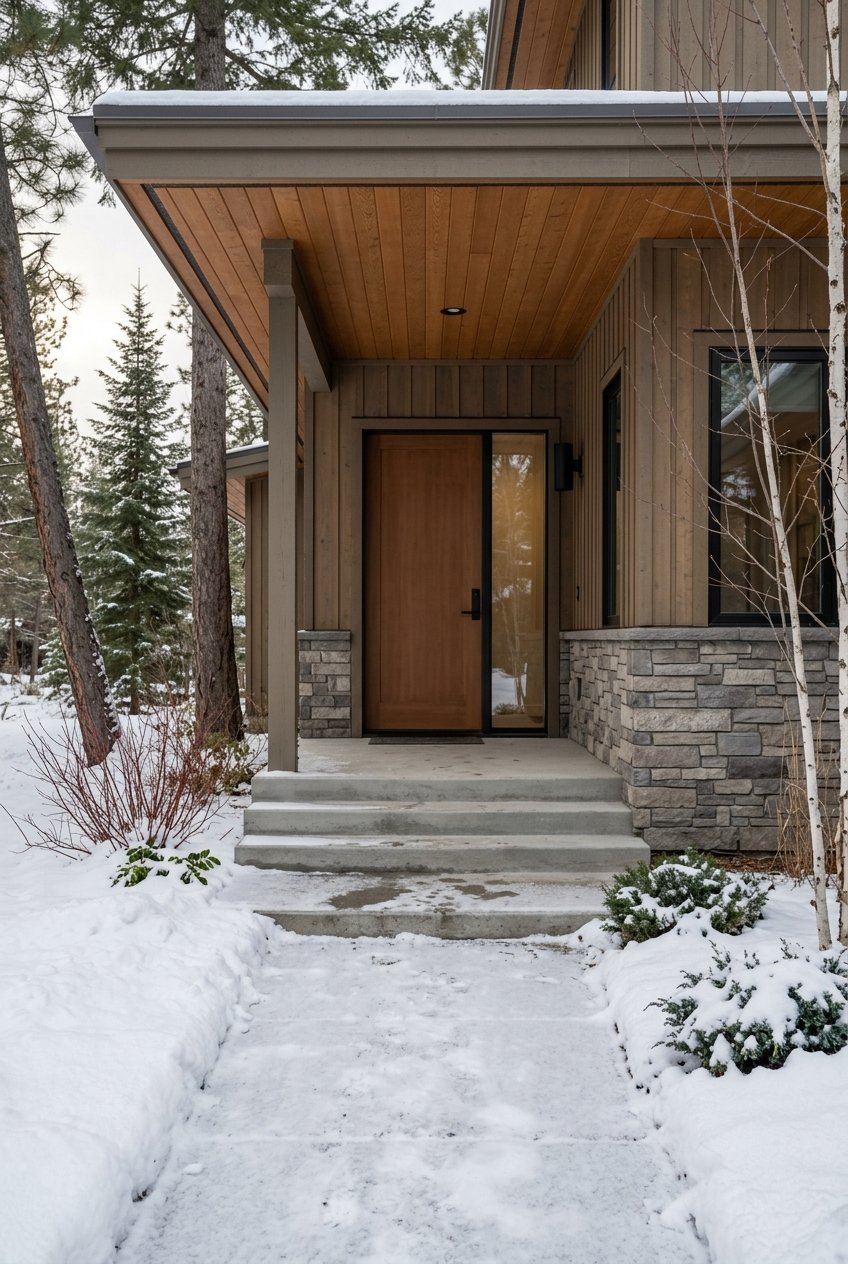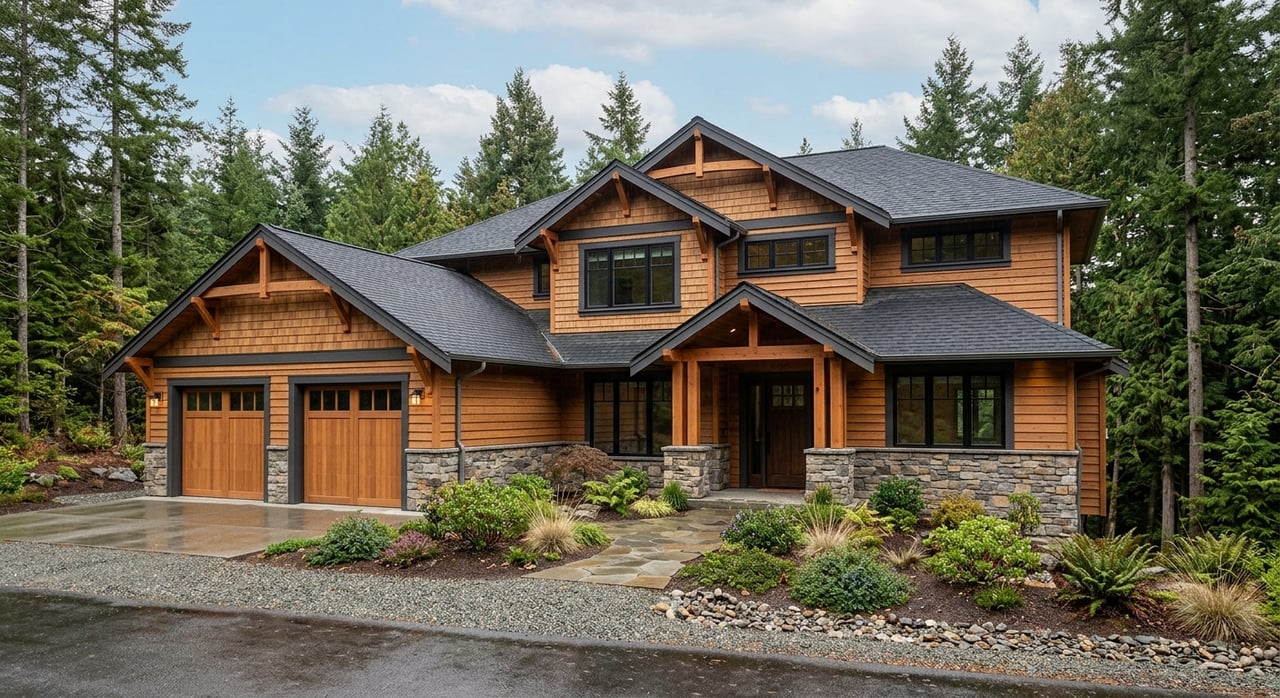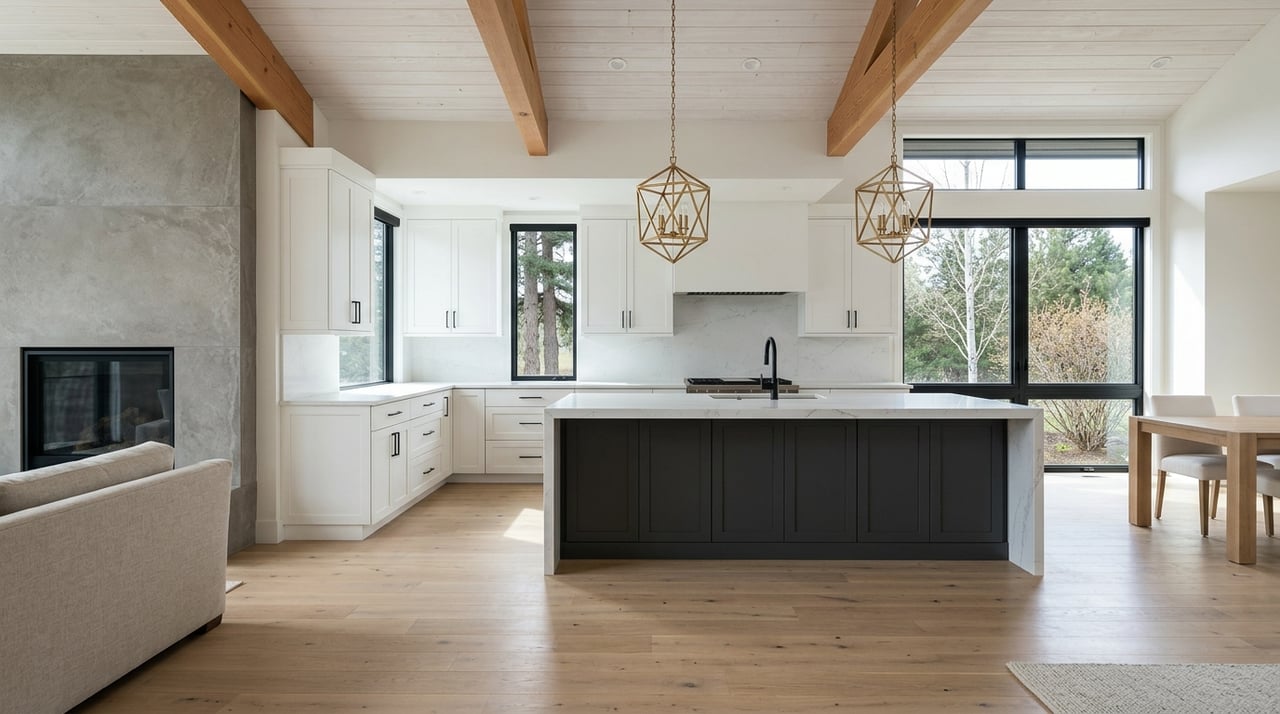
Dreaming about owning a place in Bigfork that you can enjoy personally and also rent to visitors? You are not alone. Bigfork’s mix of lake recreation, Glacier-area travel, and year-round outdoor appeal makes it a market that can attract both lifestyle buyers and investment-minded purchasers. If you are thinking about buying a vacation rental property here, this guide will help you focus on the details that matter most before you close. Let’s dive in.
Why Bigfork draws vacation-rental demand
Bigfork is closely tied to Flathead Lake, Glacier National Park, hiking, skiing, snowshoeing, shopping, dining, and local cultural events. That makes it more than a typical small-town housing market. For many buyers, it functions as a leisure, second-home, and visitor-driven market.
That visitor base is backed by strong regional tourism. Glacier National Park drew 3.2 million visitors in 2024, and the National Park Service estimates those visitors spent $458 million in nearby gateway economies. For a vacation-rental buyer, that is a meaningful signal that lodging demand in the broader area can benefit from steady travel activity.
Seasonality also matters. Nearby climate normals from Kalispell Glacier Airport show warm summers and cold winters with regular snowfall. In practical terms, that supports a two-season approach, with summer likely driving peak lake travel and winter creating a meaningful shoulder season tied to skiing, snowshoeing, and holiday travel.
What property types fit this market
In the Bigfork area, the most practical vacation-rental purchase profiles often include single-family homes, condos or townhomes, and properties with guest houses or accessory dwellings. These categories line up with Montana property-tax guidance and Flathead County’s short-term rental standards.
The right fit depends on how you plan to use the property and how simple you want operations to be. A condo or townhome may offer a more lock-and-leave setup, while a single-family home may provide more privacy, flexible layout, and parking options. If a property includes a guest house or accessory dwelling, you will want to look even more carefully at county rules around parking and occupancy.
From a guest perspective, usability matters as much as style. In a recreation-focused market like Bigfork, visitors are often looking for an easy base for lake days, park access, and seasonal activities. That usually means practical features can carry real value.
Amenities buyers should prioritize
When you evaluate a vacation rental property in Bigfork, pay close attention to features that support both guest experience and day-to-day management:
- Lake access or lake views
- Off-street parking
- Boat- or trailer-friendly parking where appropriate
- Strong Wi-Fi
- Easy check-in flow
- Climate control for both summer and winter
- Storage for outdoor gear
- Layouts that work well for families or small groups
- Finishes and surfaces that are easy to clean and maintain
These are not just comfort upgrades. In many cases, they support smoother operations, fewer guest issues, and a more predictable ownership experience.
Rules to verify before you buy
If you are buying a vacation rental in Bigfork, zoning and permitting should be part of your early due diligence, not a last-minute item. In Flathead County, a short-term rental housing use means stays of less than 30 days. In most zoned areas, that use requires an administrative conditional use permit, though some zones allow short-term rentals outright. In unzoned areas, Planning and Zoning says no permit is required from its office.
Just as important, short-term rentals are not allowed in every zone. That means you should confirm the parcel’s zoning and short-term rental path before you finalize your purchase strategy. If the property is already operating as a vacation rental, do not assume the approval automatically carries over.
Flathead County is clear on that point. If ownership changes, the new owner must apply for an Administrative Conditional Use Permit in their own name if the residence is approved for short-term rental use. That alone can materially affect your timeline and closing plan.
Permit timing can affect your closing plan
The county says the administrative conditional use process can take up to about a month and a half once an application is complete. In the CALURS area, minor land-use review can take up to 30 days. Because there are agency referrals and notice requirements, this is not something you want to start after all other decisions are made.
If your purchase depends on short-term rental use, it makes sense to review the permit path during the offer stage or while you still have contingencies in place. That can help you avoid buying a property that does not align with your intended use.
Parking, occupancy, and private restrictions
Flathead County’s standards put real weight on parking and occupancy. A short-term rental in the principal dwelling must have at least two off-street parking spaces. Guest houses or accessory dwellings require two additional spaces, and dwellings with four or more bedrooms require one more space.
Occupancy is also not simply a marketing decision. The county ties maximum occupancy to sewage capacity, the applicable sewer district, or the number of bedrooms, whichever is fewer. If you are underwriting income based on large-group stays, this is one of the first assumptions you should test.
Private restrictions matter too. The county states that owners are responsible for reviewing and following any covenants, conditions, restrictions, or HOA documents, and the county does not enforce them. A property can look ideal on paper and still be a poor vacation-rental candidate if private rules limit nightly use.
Operating rules you should expect
Flathead County’s short-term rental framework also includes operational requirements that buyers should understand before closing:
- A 24/7 local contact or management company that can arrive within one hour
- Certified-mail notice to nearby owners
- Quiet hours posted in the rental and in online advertising
- A fire-safety brochure posted on-site after permit issuance
These details may seem small at first glance, but they can shape how hands-on ownership will be and whether self-management is realistic for you.
Health licensing and lodging taxes
Beyond zoning, Bigfork vacation rentals also trigger health and tax compliance steps. Nightly or weekly lodging requires a public-accommodations license from the Flathead City-County Health Department. The county’s health guidance specifically includes tourist homes, vacation rentals, Airbnb, and VRBO stays.
Plan review is the first step. Typical review time is 2 to 3 weeks, but the county notes that it can extend to 4 to 6 weeks in spring and summer. If there is a change of ownership, a new license application still must be filed in the new owner’s name, even when a new plan review may not be required.
On the tax side, Montana charges a combined 8% lodging facility sales and use tax. The Department of Revenue says vacation rentals and online hosting platforms are included in the taxable accommodation list, and each lodging accommodation required to collect the tax must apply for a seller’s permit before doing business.
If you plan to use an online platform, do not assume that covers every tax responsibility. Montana says marketplaces may collect and remit taxes on facilitated sales, but owners remain responsible for bookings made outside those platforms.
Property taxes can change your numbers
One of the biggest mistakes vacation-rental buyers make is assuming the property will be taxed like a primary residence. Montana’s property-tax framework makes important distinctions here. Homestead and long-term rental reductions are tied to principal residences or 28-plus-day rentals used as residences.
By contrast, a second home or short-term rental on a non-qualified agricultural parcel is taxed at a 1.90% flat rate on the home plus one-acre homesite. If you are buying in Bigfork for part-time personal use and nightly rental income, that difference can materially change your carrying costs.
Ownership structure can matter as well. Montana limits the homestead reduced rate to an individual, a couple, or a grantor revocable trust. LLC-owned properties are not eligible for the homestead reduced rate, though LLC ownership can qualify for the long-term rental reduced rate if the property meets that program’s criteria.
Decide how you will operate the property
Before you buy, think beyond acquisition and into operations. Montana’s Property Management Program says a property-manager license is required for short-term rentals unless the operator qualifies for an exemption. That means your management plan is not just a convenience choice. It can also be a licensing and compliance question.
Some buyers want a hands-on property they can self-manage, especially if they spend time in the area. Others prefer to line up a local operator or third-party manager from the start. In Bigfork, where local-contact requirements and response times matter, this decision should happen early.
From an investment perspective, a smoother operating model often starts with the property itself. Easy parking, sensible occupancy, practical layouts, and simple house rules can all help reduce friction once the home is in service.
A smart due-diligence checklist
If you are serious about buying a vacation rental property in Bigfork, keep your due diligence focused on the issues that can most affect value and usability:
- Verify zoning and whether short-term rentals are allowed on the parcel
- Confirm whether an administrative conditional use permit is required
- Check whether a new-owner permit application will be needed
- Review septic or sewer capacity and how it affects occupancy
- Confirm parking meets county standards
- Review HOA rules, CC&Rs, and other private restrictions
- Verify health licensing requirements and timeline
- Register for lodging tax compliance and seller’s permit needs
- Decide whether you will self-manage or hire qualified local help
- Consult a local real-estate attorney and tax professional before closing
For lakefront, rural, or accessory-dwelling properties, these steps are especially important. Small details can have an outsized impact on how the property performs and how easy it is to operate.
Buying with a clear strategy
A vacation rental purchase in Bigfork can support both lifestyle goals and long-term value, but only if the property fits the rules, the seasonality, and your ownership plan. The best opportunities are usually the ones that look good on paper and work cleanly in practice.
If you want help evaluating a Bigfork vacation rental opportunity, comparing property types, or thinking through location, use, and investment fit, Cecil Waatti can help you approach the decision with local perspective and practical guidance.
FAQs
What makes Bigfork appealing for vacation-rental buyers?
- Bigfork benefits from recreation-driven demand tied to Flathead Lake, Glacier National Park, hiking, skiing, snowshoeing, shopping, dining, and local events, which supports a leisure-oriented visitor market.
What short-term rental rules apply to properties in Bigfork, Montana?
- In Flathead County, stays of less than 30 days are considered short-term rentals, and many properties in zoned areas require an administrative conditional use permit, while some zones allow the use outright and unzoned areas may not require a permit from Planning and Zoning.
Does a short-term rental permit transfer to a new owner in Bigfork?
- No. Flathead County says a new owner must apply for the Administrative Conditional Use Permit in their own name if the property is approved for short-term rental use.
What parking and occupancy limits matter for Bigfork vacation rentals?
- Flathead County requires at least two off-street parking spaces for a short-term rental in the principal dwelling, additional spaces for guest houses or accessory dwellings, and occupancy is limited by sewage capacity, sewer district rules, or bedroom count, whichever is fewer.
What taxes should you expect when buying a vacation rental in Bigfork?
- Montana imposes a combined 8% lodging facility sales and use tax on taxable accommodations such as vacation rentals, and short-term rental properties may also have different property-tax treatment than owner-occupied primary residences.
Do you need a health license for a Bigfork vacation rental property?
- Yes. Nightly or weekly lodging requires a public-accommodations license from the Flathead City-County Health Department, and a new license application must be filed in the new owner’s name after a change of ownership.
Can an LLC-owned vacation rental in Montana qualify for homestead tax treatment?
- No. Montana limits the homestead reduced rate to an individual, a couple, or a grantor revocable trust, so LLC-owned properties are not eligible for that reduced homestead rate.
How long does vacation-rental approval take in Flathead County?
- County zoning review can take up to about six weeks once a complete application is submitted, and health plan review typically takes 2 to 3 weeks, with longer review periods possible in spring and summer.