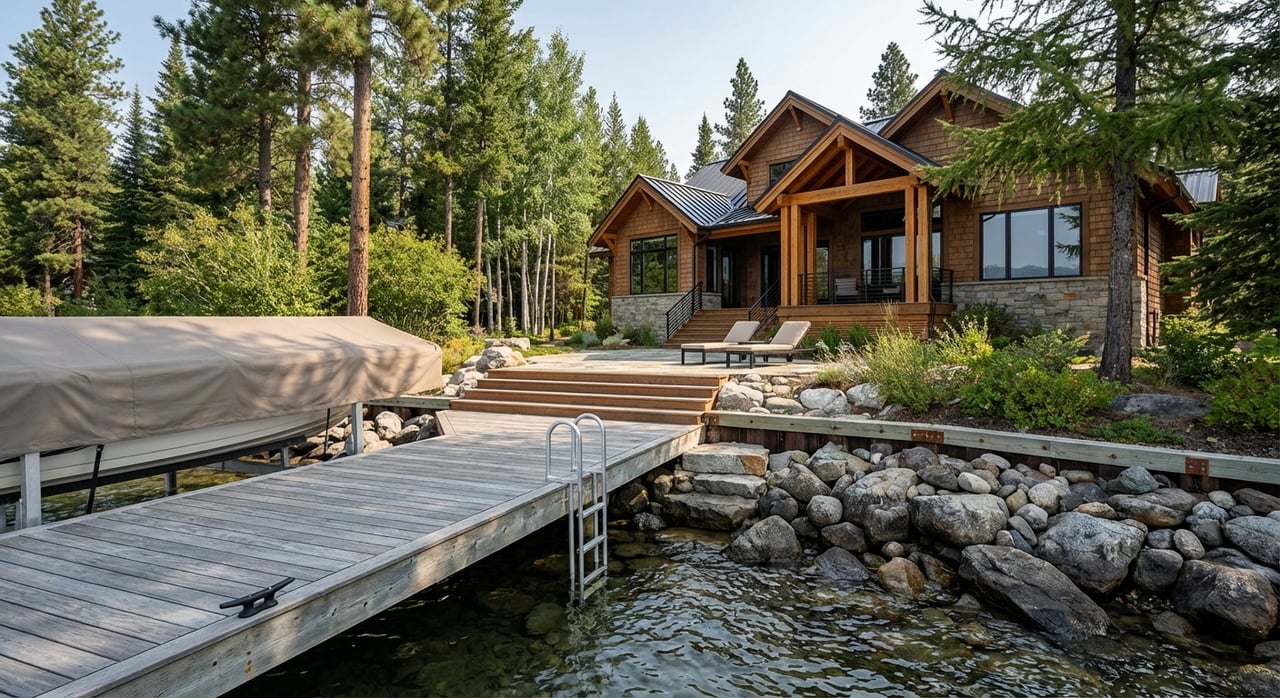
Picture yourself stepping onto your dock in the morning light, coffee in hand, watching the Swan River meet Flathead Lake. If you are drawn to Bigfork’s waterfront, you also know it comes with more due diligence than a typical home. In this guide, you will learn the rules that shape docks and shorelines, which agencies to call, how rentals work, and the practical checks that protect your investment. Let’s dive in.
Bigfork waterfront at a glance
Bigfork sits where the Swan River flows into the north end of Flathead Lake, with parcels that can fall in either Flathead County or Lake County. That county line matters because shoreline rules and permit offices differ. The setting is rare in Montana, mixing village access with true lakefront living. For quick context on geography and history, explore the Bigfork overview.
Know who regulates what
Buying on the water means understanding a layered system. Here is how it breaks down and why it matters for you:
- County lakeshore rules. Flathead County and Lake County each regulate activity in the lakeshore protection zone. Most dock work, riprap, dredge, and vegetation changes near the water need a county permit. Start with the county that has jurisdiction over your parcel. Review the Flathead County Lake & Lakeshore Protection Regulations and Lake County’s Lakeshore Protection page.
- State DNRC lakebed use. If a dock or boathouse occupies state-owned bed or shorelands of navigable waters, the Montana DNRC typically requires a land-use license or easement. That process and any fees are separate from county permits. See DNRC’s stream and navigable waters permitting guidance.
- Federal and state water permits. Dredging or placing fill below the ordinary high-water mark can trigger U.S. Army Corps of Engineers review under Section 10 or 404, often paired with Montana DEQ water-quality certifications. Learn more from the USACE Regulatory Program and DEQ’s water-quality assistance page.
- Aquatic invasive species. Montana Fish, Wildlife & Parks leads inspection and decontamination programs to prevent AIS spread. Expect inspection rules for boats and guidance for used docks or swim platforms. See FWP’s AIS updates and prevention programs.
Lakeshore rules that shape your plans
Counties regulate activity within the lakeshore protection zone, defined as land within 20 horizontal feet of the lake’s perimeter at mean annual high water. In that strip, most construction or major landscape changes require a permit. Dock installs, shoreline armoring, dredging, and beach creation often need formal review and design standards.
Flathead County, for example, sets common dock standards. A single-owner dock is typically limited to 60 feet if there is at least 5 feet of depth at the end, with a 100-foot maximum at unusually shallow sites. There are also wing-width limits, setbacks from property lines on the water, and rules for shared docks, boathouses, crib docks, breakwaters, and swim floats. Always verify that any existing dock was permitted, and request the county permit file.
Lake County maintains its own lakeshore protection regulations for the portions of Flathead Lake under its jurisdiction. If the property is close to the county line, confirm which county you are in before you plan any work. Ask the seller for copies of all lakeshore permits and approvals so you understand what is legal and transferable.
Permits and typical timelines
Waterfront work can require approvals from the county, DNRC, and the U.S. Army Corps, sometimes with DEQ water-quality review. Many projects use a joint application pathway so agencies can review in parallel. The right sequence can save you weeks.
- County lakeshore permits. Timing varies by county and project complexity. Larger proposals can involve board review and public notice.
- DNRC licenses and easements. Licenses for occupancy on state beds are commonly processed in about 60 days. Easements can take longer if board approval is needed. See DNRC’s permitting overview.
- USACE authorizations. Nationwide or general permits can take weeks, while individual permits may take several months. Start early with the USACE Regulatory Program.
- DEQ 401/318. Projects that affect water quality often require DEQ’s Section 401 certification or a short-term turbidity authorization. Review DEQ’s water-quality assistance.
Environmental and seasonal checks
- Septic and wastewater. Many Bigfork-area waterfront homes rely on onsite systems. Capacity, setbacks, and engineered designs are more stringent near lakes and rivers. Ask for as-built drawings, pump and inspection records, and plan a septic inspection.
- Flood risk and insurance. Check your address on FEMA’s Map Service Center. Lenders often require flood insurance in special flood hazard areas. An elevation certificate may improve pricing. Use FEMA’s Map Service Center to verify.
- Aquatic invasive species. If you bring a boat from outside the basin, plan on mandatory inspection or decontamination. Used docks or floats should be inspected and cleaned before installation. FWP’s AIS program updates cover current requirements.
- Winter and ice. Floating docks, lifts, and boat shelters can be damaged by ice. Many owners remove or secure floats seasonally and design anchoring systems for ice conditions. Confirm road plowing, driveway grades, and whether utilities and wells are set up for winter use.
Rentals on the water
If you plan to rent your Bigfork lake home, know the local path. Flathead County requires an administrative review or an administrative conditional use permit in many zones, along with operational standards such as parking, trash, and safety. You must also register for state lodging taxes. Review the county’s short-term rental permit page and confirm the rules that apply to your exact parcel and structure. Properties in Lake County follow the applicable Lake County rules.
Due diligence checklist
Use this list to structure your offer contingencies and inspection window.
A. Legal, title, and survey
- Order a current title commitment and review exceptions for recorded easements or DNRC leases. Confirm whether the deed conveys to the high-water mark or provides access rights.
- Obtain a stamped survey that maps the mean annual high-water line, riparian boundaries, and the exact location of docks and shore structures. Do not assume the visible beach equals legal frontage.
B. Permits and authorizations
- Request the full county lakeshore permit file and any DNRC license or easement for docks and boathouses. If dredge or fill occurred, ask for USACE approvals and any DEQ 401 or 318 documents.
- Ask whether past shoreline work, such as riprap, fill, or beach creation, was permitted. Unpermitted work can lead to fines or required restoration.
C. Physical inspections
- Dock and moorage. Hire a contractor familiar with Flathead Lake ice and wave action to check anchoring, floats, piles, electrical runs, and expected remaining life. Confirm any seasonal removal obligations.
- Septic and well. Order a septic inspection and request as-built plans, prior repairs, and pump records. For wells, ask for yield and water test data.
- Erosion and vegetation. Look for active bank erosion, recent armoring, or retaining walls. Match visible work to permits.
D. Regulatory checks
- Check county files for open lakeshore violations or stop-work orders.
- Contact the DNRC land office to confirm whether a state bed license or easement exists, its terms, and any ongoing fees.
- If you plan to operate a short-term rental, verify county permit status, tax registration, and required safety inspections.
E. Insurance and costs
- Get quotes that include dock and boathouse coverage. Ask about exclusions for ice or flood. If the parcel maps in a flood zone, obtain an elevation certificate and compare premiums.
F. Market and rental underwriting
- If the home has been rented, request 12 to 24 months of booking and expense history. Confirm the operation was permitted and compliant during that period.
Red flags to pause on
- An existing dock or boathouse without a county lakeshore permit or DNRC authorization when required.
- A septic system with missing records or signs of failure near the shoreline.
- A parcel in a FEMA special flood hazard area without an elevation certificate or clear flood insurance options. Check the FEMA map center.
- Shoreline armoring or fill without documented permits. This can lead to enforcement and costly remediation.
- Evidence of high traffic or a new marina plan nearby that could affect navigation, privacy, or rental desirability. Review county files for pending applications.
First steps to get started
- Confirm your parcel’s county jurisdiction and request the lakeshore permit file. The Bigfork community site lists local government links and contacts. Start at Bigfork’s local resources.
- Order a title commitment and a survey showing the high-water line and existing docks or shore structures. Ask the seller for all county, DNRC, USACE, and DEQ approvals.
- Schedule a septic inspection and a dock structural inspection with local pros.
- Call the DNRC land office to request any state bed license or easement records. If you plan modifications, ask county planning for a pre-application meeting. See DNRC’s permitting guidance.
- Check FEMA flood maps and consider an elevation certificate if the property lies in a mapped flood zone. Use the FEMA Map Service Center.
- If you plan short-term rentals, review the county’s STR permit process and confirm lodging tax registration.
Work with a local advisor
Waterfront deals reward careful planning, clean files, and early conversations with the right agencies. If you want a smooth path to the lake, partner with a team that blends local development know-how, transaction experience, and luxury marketing reach. When you are ready to explore Bigfork’s shoreline, schedule a consult with Cecil Waatti and get a plan tailored to your goals.
FAQs
What permits do I need to build or extend a dock on Flathead Lake near Bigfork?
- Most dock work in the lakeshore protection zone requires a county lakeshore permit, and docks occupying state-owned bed typically need a DNRC license or easement; larger projects or any dredge or fill can also trigger USACE authorization and DEQ review, so start with the county and use DNRC and USACE guidance early.
How long do waterfront permits usually take in the Bigfork area?
- County review varies by project, DNRC licenses often run around 60 days with longer timelines for easements, and USACE approvals range from weeks for general permits to several months for individual permits, so begin pre-application conversations as soon as you are under contract.
What is the lakeshore protection zone and why does it matter?
- It is the strip within 20 horizontal feet of the lake’s perimeter at mean annual high water where counties regulate activities like docks, riprap, dredge, and major vegetation changes, which means many routine shoreline projects need permits and design compliance under county rules.
Do I need flood insurance on a Bigfork waterfront home?
- You only need flood insurance if your lender requires it or if you choose added protection, but properties mapped in special flood hazard areas often trigger a requirement; check the address on FEMA’s Map Service Center and consider an elevation certificate to refine pricing.
What should I know about aquatic invasive species when bringing a boat to Flathead Lake?
- Montana FWP runs mandatory inspections and decontamination for certain watercraft, especially those arriving from outside the basin, and recommends cleaning used docks or floats before installation to prevent AIS spread, so plan time for inspection stops per FWP’s AIS program updates.
Can I operate a short-term rental at a Bigfork waterfront home?
- Many Flathead County zones allow STRs with an administrative review or conditional permit and operational standards, and you must register for state lodging taxes, so confirm the exact county requirements using the short-term rental permit page before underwriting rental income.